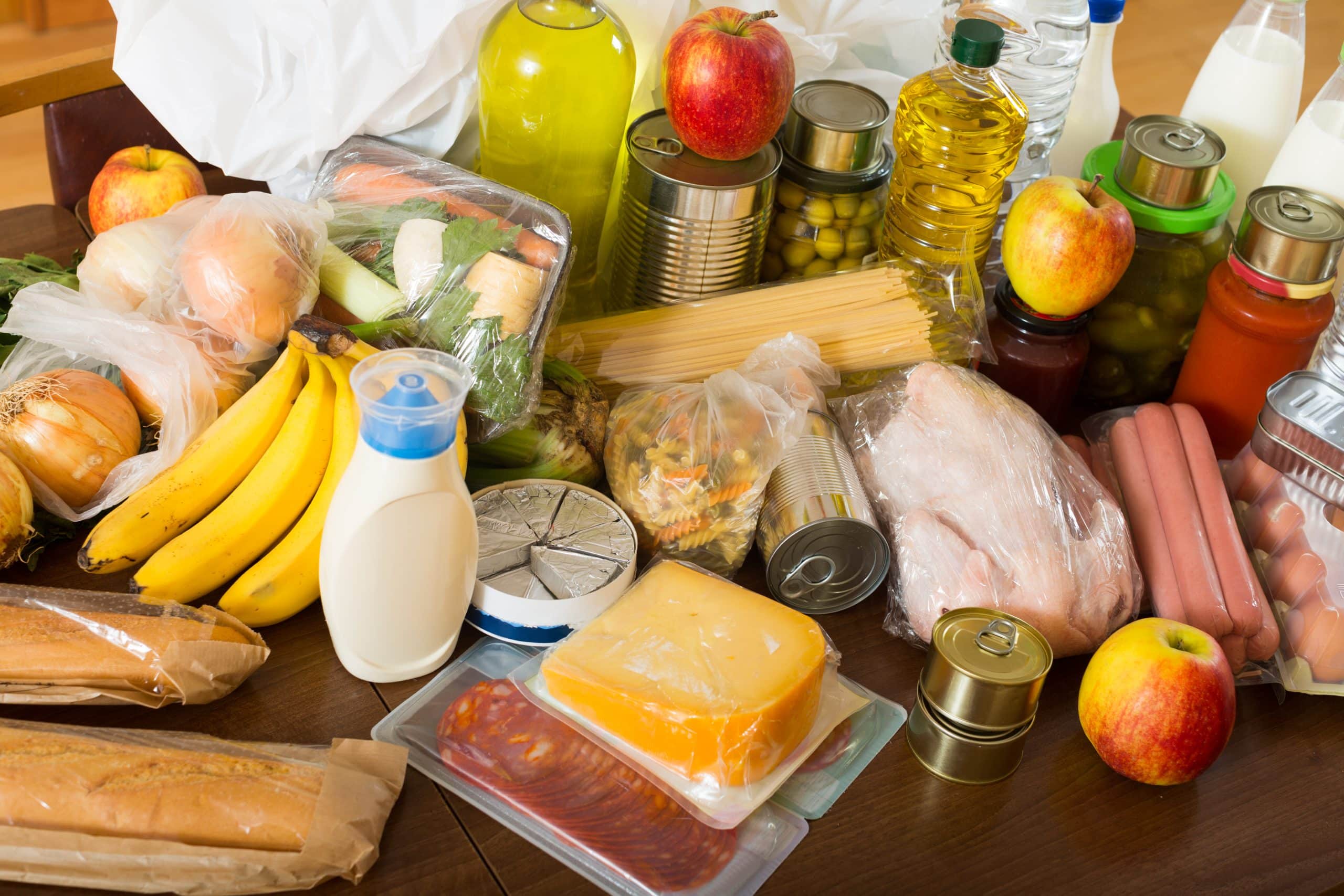
You may have heard of BPA, but understanding how deeply it affects our health and how hard it is to avoid is another story. BPA (short for bisphenol A) is a chemical that’s been around since the 1930s, and it was the first endocrine-disrupting chemical (EDC) scientists identified. Decades later, it’s still widely used in everyday items, especially plastic containers, canned food linings, and even receipts.
The concern? BPA doesn’t just sit harmlessly in packaging. It leaches into our food, water, and skin, and it doesn’t take a large amount to cause harm. Research shows that over 90% of people have traces of BPA in their bodies, and even small exposures can impact your health in significant ways.
Why BPA Is a Problem
BPA mimics estrogen, one of the most essential hormones in our body. This estrogen-like activity can confuse your endocrine system, leading to what’s called estrogen dominance, a state that’s been linked to a variety of reproductive and hormonal health problems.
Real-world effects observed in clinical settings and backed by studies include:
- Disruption in egg maturation and sperm production
- Infertility, ovarian failure, and fibroids
- Malformations in reproductive organs, especially in young girls
- Developmental impacts on the brain and prostate gland of fetuses and children
- Behavioral changes in infants and young children
What’s more troubling is that many products marketed as “BPA-free” still contain bisphenol-S (BPS), a chemical cousin of BPA used as a substitute. Unfortunately, BPS has been shown to cause similar negative effects, including hormone disruption and fertility problems.
How to Reduce Your BPA Exposure
While you can’t eliminate BPA exposure completely, here are some effective ways to cut it down significantly:
- Be plastic-conscious
- Avoid food storage containers, bottles, straws, and utensils made of plastic
- Don’t heat food in plastic or use plastic wrap in the microwave
- Skip canned foods unless labeled BPA-free
- Choose safer cookware
- Steer clear of non-stick pans with toxic coatings
- Use stainless steel, ceramic, glass, or cast iron
- Go digital with receipts
- Avoid handling thermal paper receipts
- Ask for digital copies whenever possible
- Be label-savvy with personal care items
- Check cosmetics, skincare, and toiletries for BPA or related chemicals
- Opt for natural or BPA-free personal care brands
- Support your body’s detox systems
- Drink plenty of water and ensure regular bowel movements
- Sweat through exercise or sauna use
- Eat liver-supportive foods like cruciferous vegetables, garlic, turmeric, and leafy greens
- Consider supplements that help reduce toxic burden (consult a professional first)
- Make safer choices for babies and menstrual care
- Choose glass bottles and BPA-free pacifiers and teethers
- Avoid plastic feeding items
- Consider menstrual panties, cups, or organic cotton alternatives instead of conventional pads and tampons
An Insight from Mamahood
Health information can feel overwhelming, especially when you’re trying to make the best choices for yourself and your family. BPA and its alternatives are everywhere, but being informed empowers you to protect your hormones, fertility, and long-term well-being.
If you’re unsure where to start, help is just a tap away. Connect with our Health Advisors through live chat or private message on the Mamahood app, or explore Mamadoc, your AI-powered doctor, for personalized, evidence-based guidance anytime.