
Perimenopause is a natural biological transition that marks the gradual end of a woman’s reproductive years. It typically begins in the late 30s or 40s and can last several years before menstruation stops completely. While this process has always been part of the female journey, more and more women today are experiencing it as a deeply challenging and even disruptive phase. What changed?
The issue isn’t just the decline in estrogen or progesterone. It’s the imbalance between hormones, made worse by modern lifestyles, environmental exposures, and chronic stress. Women in previous generations didn’t face the same kind of pressures, toxic load, or metabolic strain that we deal with daily. As a result, today’s perimenopause feels less like a gentle shift and more like a storm.
- Chronic Stress Disrupts Hormones
Our constantly connected, high-pressure lives are triggering elevated levels of cortisol, the stress hormone. High cortisol levels interfere with ovulation and lower progesterone, a calming and stabilizing hormone. The outcome is more women facing anxiety, sleep disturbances, and mood swings long before they reach menopause.
- Processed Food and Blood Sugar Imbalance
Diets heavy in processed foods and refined carbohydrates lead to blood sugar spikes. These, in turn, increase cortisol production and insulin resistance, both of which negatively affect hormonal balance. Insulin stimulates estrogen production in fat tissue, which can result in estrogen dominance, one of the hallmarks of difficult perimenopause.
- Sedentary Lifestyle and Metabolic Dysfunction
Lack of regular exercise paired with high-glycemic diets leads to chronic insulin elevation. This doesn’t just increase the risk of weight gain and fatigue. It also contributes to a hormonal loop that worsens perimenopausal symptoms by tipping the balance of estrogen, progesterone, and other key players.
- Toxin Exposure and Liver Overload
Modern environments expose us to a vast array of toxins, from alcohol and plastics to pesticides and pollutants. These substances place a heavy burden on the liver, which is responsible for breaking down and clearing excess estrogen from the body. A sluggish detox system means more circulating estrogen and more pronounced symptoms like bloating, headaches, and heavy periods.
- Hormone Disruptors in Everyday Products
We come into daily contact with endocrine-disrupting chemicals (EDCs) through personal care products, food packaging, cleaning agents, and even household dust. These xenoestrogens mimic natural estrogen in the body, overstimulating hormone receptors and making the hormonal rollercoaster of perimenopause even more intense.
The Modern Life Effect
A 2015 study (PMID: 25629726) confirms that modern factors such as chronic stress, toxin exposure, and metabolic dysfunction are significantly impacting how women experience perimenopause. These are not just passing annoyances but deeply influential forces that shift the entire hormonal landscape.
An Insight from Mamahood
Perimenopause may be a natural phase, but that doesn’t mean you have to suffer through it alone. Today’s women are juggling careers, families, and countless responsibilities, all while navigating complex hormonal changes. It’s no wonder this season feels overwhelming.
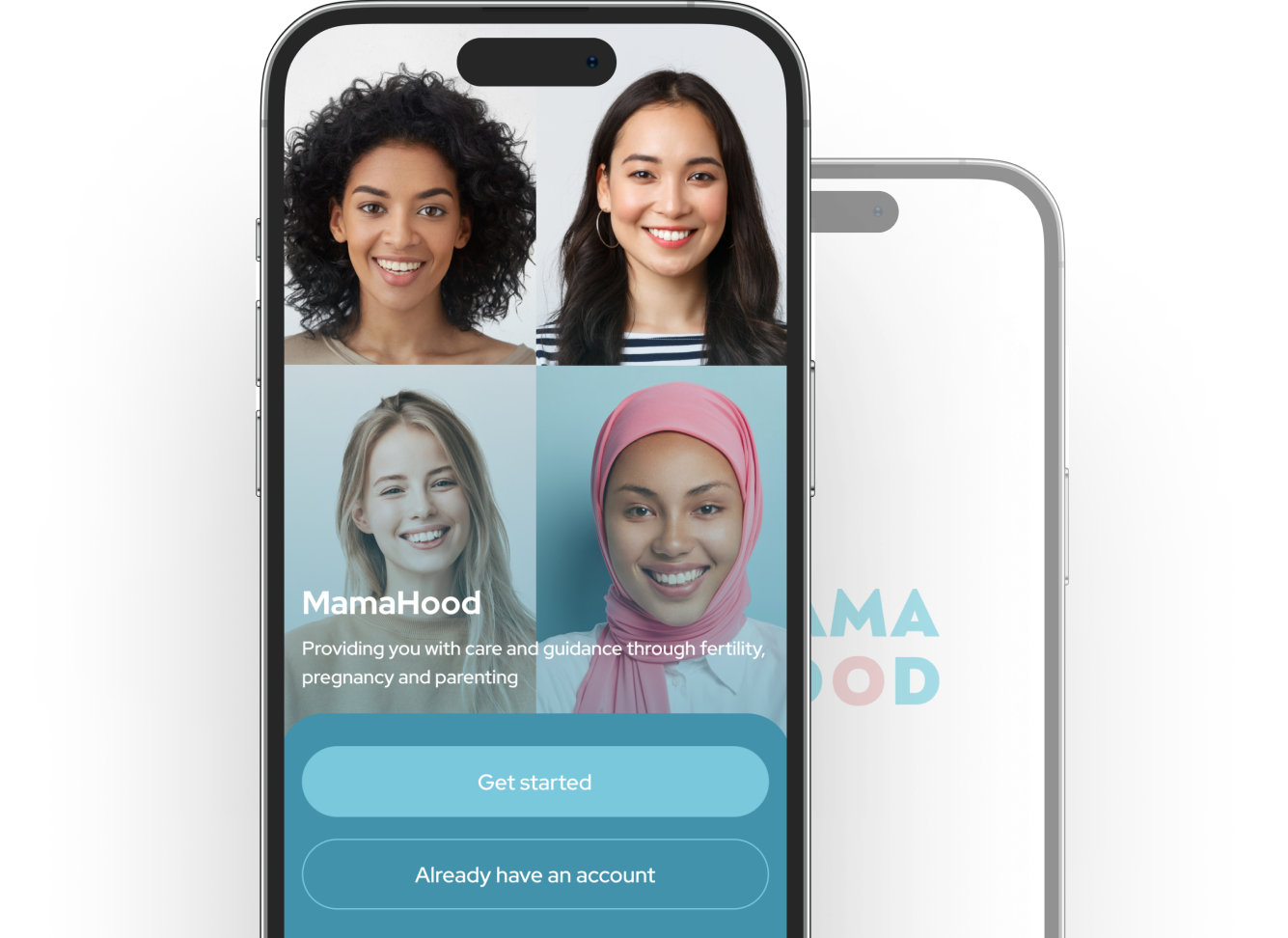
At Mamahood, we’re here to support you through it all. Whether you’re just noticing the first signs or in the thick of it, our platform connects you to evidence-based guidance, compassionate support, and expert care. Reach out to our Mamahood Health Advisors via live chat or private message on the Mamahood app. You can also explore Mamadoc, your personal AI doctor, for round-the-clock advice tailored to your needs.
You deserve support that evolves with you. With the right tools and care, perimenopause can become a powerful, transformative journey instead of a struggle.