Lately, you might have noticed a wave of viral posts claiming the copper IUD is toxic, disrupts hormones, and stops ovulation. Some creators even say doctors are lying when they call it a safe form of birth control. It’s a lot to take in, especially when you’re just trying to make informed choices for your body.
So let’s slow down, block out the noise, and look at what actual science tells us. Because when it comes to your reproductive health, you deserve clarity, not fear-mongering.
As someone who’s walked the journey of exploring different contraceptive options, I understand how confusing and overwhelming it can be. That’s why I’m breaking it down using real studies, plain language, and zero drama.
“The copper IUD is toxic”
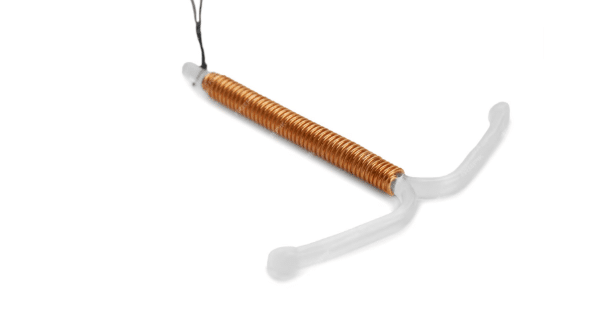
This is one of the most common claims floating around that copper from the IUD seeps into your body and causes harm. But here’s the truth: copper is an essential mineral that our bodies need in small amounts. It’s only dangerous when it builds up in excess.
Most studies show no clinically significant increase in blood copper levels in people using the IUD. In fact, the studies that raised concerns were measuring total copper, not free copper. Free copper is the form that could potentially be harmful.
[PMID: 33460507]
“It disrupts ovulation”
This one is simply not true.
The copper IUD does not interfere with your hormonal cycle. You still ovulate each month just like you did before. That means your natural rhythm, including estrogen and progesterone, continues as usual.
[PMID: 1897380]
If you’re looking for non-hormonal birth control that lets your body function naturally, this is one of the few options that does that.
“It causes inflammation throughout the body”
Another myth.
Yes, the copper IUD creates inflammation, but only in the uterus. That’s how it works. The small amount of copper triggers a localized inflammatory response in the uterine lining, which makes it hard for sperm to move or survive. It does not affect your whole body.
[PMID: 32014434]
“It messes with your hormones”
Actually, the copper IUD leaves your hormones alone.
Multiple studies show that hormone levels remain stable. There is no disruption to the communication between your brain and ovaries. Your hormonal patterns, cycles, and ovulation continue as they normally would.
[PMID: 12336991]
This can be a huge benefit for people who are sensitive to hormonal contraception.
Is it perfect?
No. And that’s okay.
Like every method, it has pros and cons. Some users report heavier bleeding or stronger cramps, especially during the first few months. But these symptoms often settle with time.
The truth is, no birth control method is perfect because our bodies are biologically designed to get pregnant. Preventing pregnancy always means going against that natural function, and that can come with trade-offs.
An Insight from Mamahood
We’re here to help you tune out the noise and focus on what really matters — clear, reliable information to support your health decisions. Whether you’re exploring birth control for the first time or thinking about switching methods, Mamahood is by your side every step of the way. For personalized support, connect with our Health Advisors via live chat or private message. You can also turn to Mamadoc, your AI-powered doctor, for guidance that’s tailored to your unique journey.