Have you ever had your little one ask “Why?” ten times in a row? Or point at something completely ordinary, like a shadow on the wall, as if it is the most magical thing in the world?
That is curiosity in action. And it is one of the most powerful tools children have for learning.
Curiosity is the spark that makes children want to explore, experiment and discover how the world works. For children under five, curiosity is not just play, it is the foundation of learning, problem-solving, creativity and confidence.
Why Curiosity Matters
When children ask questions, they are not just looking for answers. They are building lifelong skills.
- Problem-solving: Every “how” and “why” helps children connect ideas and explore solutions.
- Resilience: Curiosity teaches them that not knowing something is not failure. It is an opportunity to explore and try again.
- Communication and empathy: Asking about a friend’s favorite game or noticing cultural traditions helps them understand others.
- Focus and motivation: Curious children are more engaged because they genuinely want to know more.
Curiosity fuels both the mind and the heart. It sharpens thinking while supporting emotional growth.
Simple Ways to Explore Together
You do not need expensive toys or complicated activities to nurture curiosity. Everyday life is full of discoveries.
- Shadows on the wall become a simple lesson about light and shapes.
- A seashell can spark questions about the ocean.
- A magnifying glass turns a garden walk into an insect adventure.
- Cooking together becomes a mini science lab with mixing, measuring and watching ingredients change.
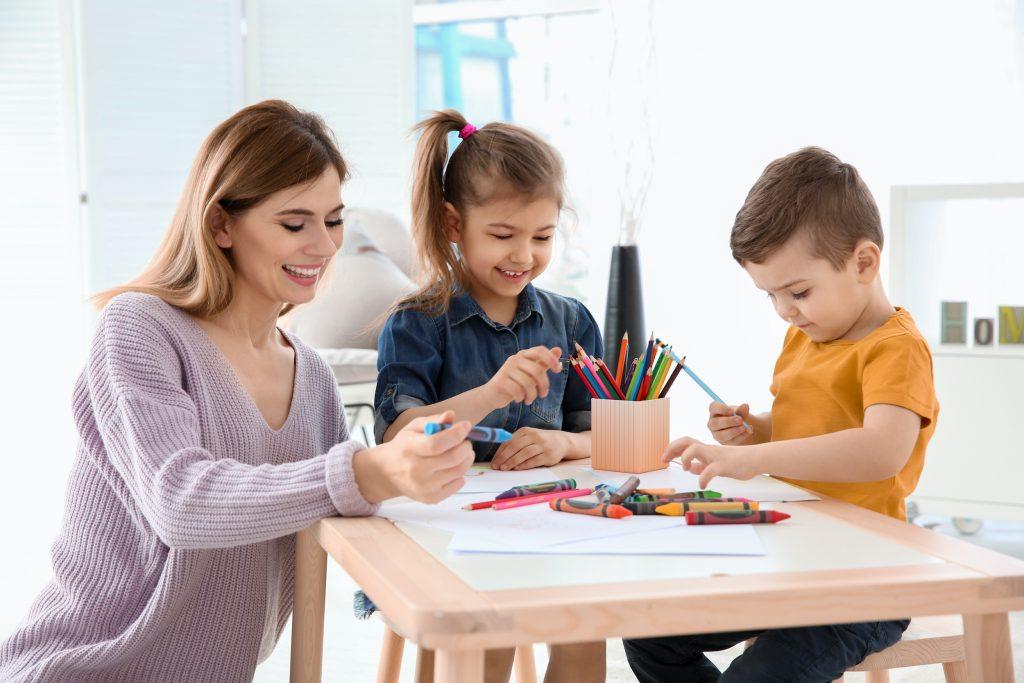
What children need most is time, space and gentle encouragement to follow their questions. Too much screen time or packed schedules can crowd out moments of natural exploration. Unstructured play like building forts, digging in the sand or drawing allows children to test ideas and see the world with fresh eyes.
Supporting the “Why” Stage
The endless “Why?” phase can feel tiring, but it is a valuable stage of learning. When children ask “why,” they are practicing critical thinking.
- Use open-ended responses: Ask “What do you think?” or “How could we find out together?”
- Praise the curiosity: Try “I love how you noticed that” or “That is such an interesting question.”
- Be patient with repetition: Children ask again and again to test ideas and strengthen memory.
Learning Through Play
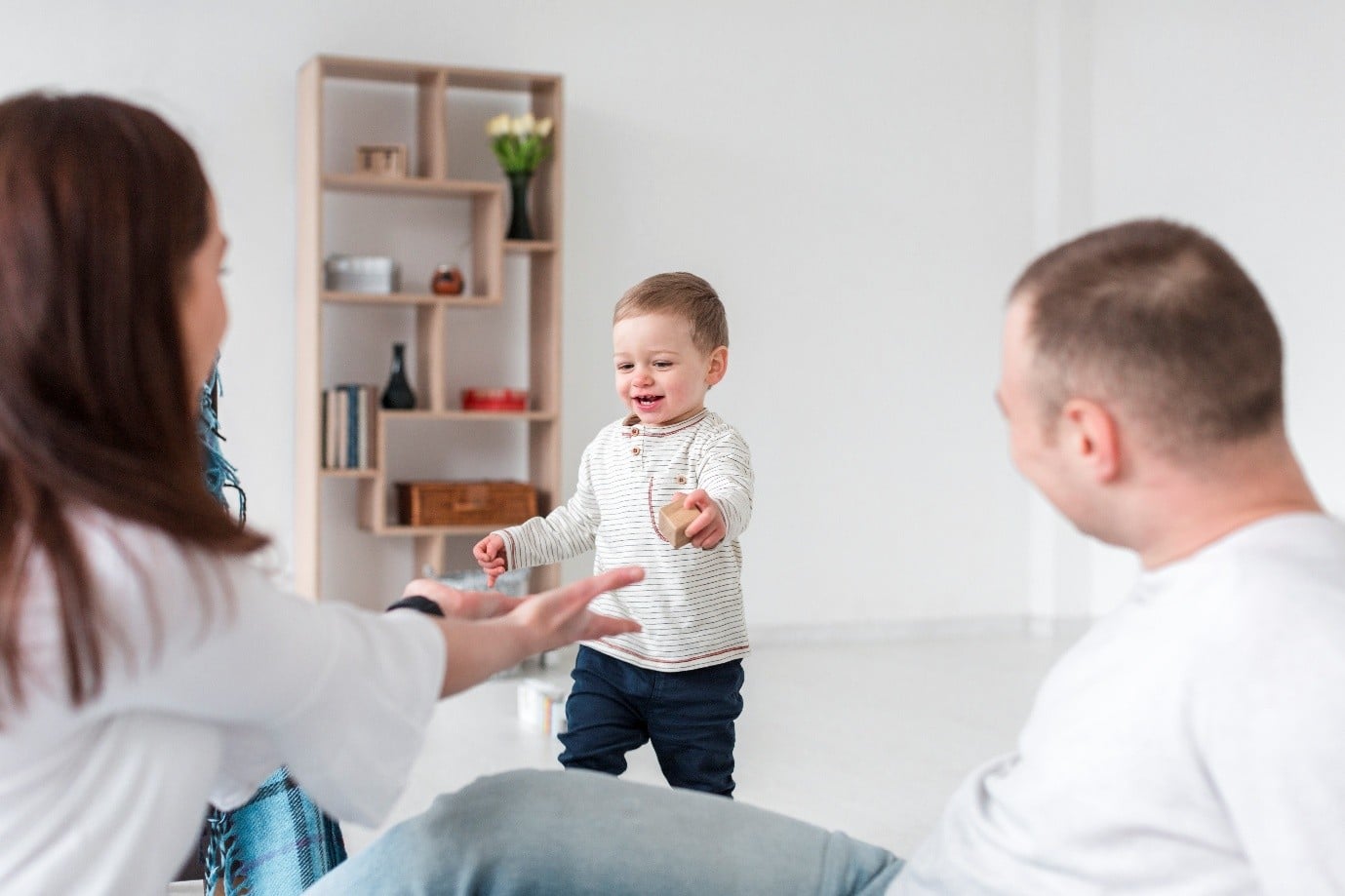
Play is one of the purest expressions of curiosity. While worksheets have their place, nothing builds problem-solving skills like stacking blocks, pretending or exploring outdoors. Through play, children learn by doing, experimenting and sometimes failing. Every attempt moves them closer to understanding.
Parents and Educators as Models of Curiosity
Children learn by watching us. When they see us approach the world with interest and wonder, they naturally follow.
- Show your own curiosity. Ask aloud, “I wonder why the leaves change color?”
- Keep learning. Explore hobbies, read or try new activities.
- Listen actively. Giving full attention when a child asks something boosts confidence and shows that their curiosity matters.
Supporting Curiosity Through Challenges
Nurturing curiosity is not always easy. Here are some common hurdles and how to work through them.
- Fear of mistakes: Remind children that mistakes are part of learning. Celebrate effort.
- Parental fatigue: If you need a break, say “Great question, let us write it down and check later.”
- Busy schedules: Create small moments of wonder during walks, mealtime or bedtime stories.
Simple Ways to Encourage Curiosity at Home
Here are practical ideas you can try right away.
- Wonder Jar: Let your child drop questions into a jar. Pick one to explore each day.
- Wonder Walks: Slow down during walks and notice sounds, colors or shapes together.
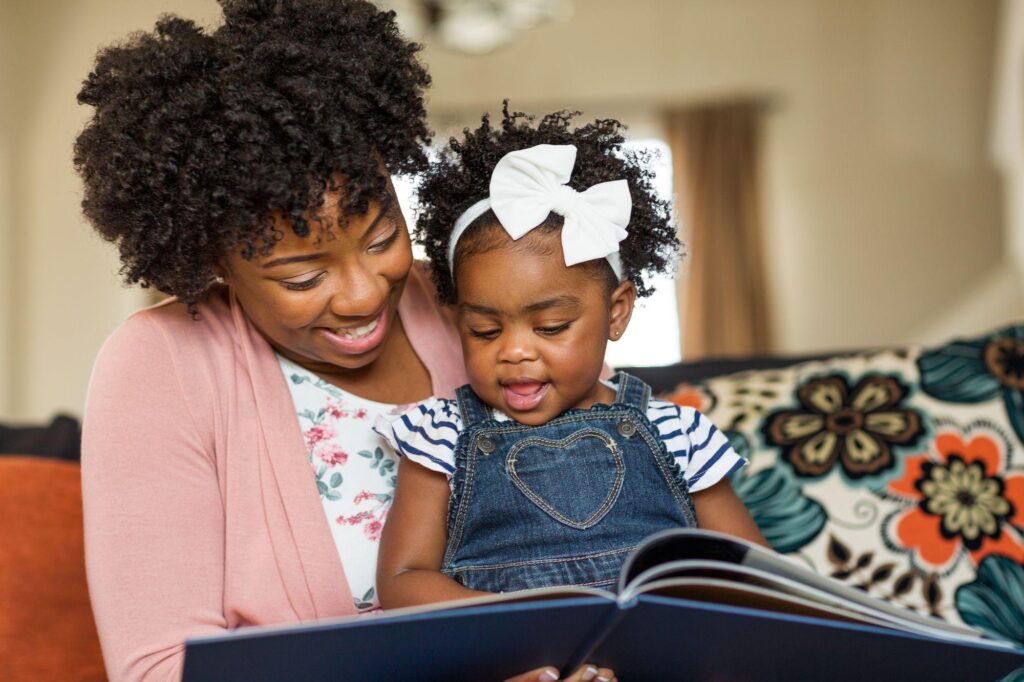
- Curiosity-rich books: Choose stories about nature or explorers and ask “What do you think will happen next?”
- Everyday experiments: Mix colors, plant seeds or help with cooking. These small activities become meaningful discoveries.
The Long-Term Gift of Curiosity
Children who grow up with their curiosity supported become confident thinkers and empathetic individuals. Curiosity helps them see challenges as opportunities and mistakes as stepping stones. It prepares them for life, not just school.
Final Thought
Learning begins with curiosity. When we slow down and share moments of wonder with children, we give them a gift that lasts forever. The next time your child asks “why” for the tenth time, take a breath and smile. It is the beginning of a lifelong love of learning.
An Insight from Mamahood
At Mamahood, we see every day how curiosity shapes a child’s growth. When parents slow down and join their children in these small moments of wonder, it strengthens connection and builds a foundation for emotional security. Children feel seen and heard, and that emotional safety is what allows their curiosity to flourish. When we nurture their questions with patience and warmth, we support their learning and give them the confidence to explore the world with joy.
For more personalized support, you can connect with Mamahood Health Advisors through live chat or private message. If you need quick answers at any time, Mamadoc is available to offer calm and reliable guidance, grounded in the latest research and real-life needs.